
Danville Address History Sources
Danville previous residents appear across records with very different time spans. Begin with the source closest to the date being studied. The current parcel roll and map establish the land now tied to an address. Recorder books carry the ownership trail much farther back, while address directories and census schedules help distinguish owners from the people who actually occupied a home. Maps and newspapers fill gaps, but neither should be treated as a stand-alone resident roll.
| Danville source | Local span | Where to use it | Evidence produced |
|---|---|---|---|
| Recorder books and film | 1826 to early 1960s, with a 1959 to 1987 digital gap | Vermilion County Recorder office | Recorded parties, dates, and legal descriptions |
| Free Recorder name index | July 1987 to current | County land-record search | Grantor and grantee events, without free images |
| Danville city directories | 1874 to present, editions vary | Danville Public Library Archives | Names, addresses, occupations, and household clues |
| Criss-cross directories | 1980 to 1996 | Library of Congress inventory and local access | Occupants arranged by street and house number |
| Sanborn maps | 1884 to 1970 | Danville Public Library Archives | Building footprints, uses, and number context |
| Census and newspapers | Census runs vary; newspapers claimed from 1833 | Library collections and licensed databases | Households, obituaries, notices, and social clues |
For a late twentieth-century question, an address-first criss-cross volume may reveal previous residents quickly. Earlier work often needs a directory year, a census page, or a Sanborn sheet paired with the deed chain. The Danville Public Library Archives Room is the key fallback when an edition is not online. Its local materials do not circulate, so note exact surnames, street forms, and years before contacting staff.
Freeze the Danville Parcel Record
Before searching previous residents, save the current parcel facts from the Vermilion County property-tax inquiry. Copy the parcel number, site address, owner name, mailing address, township, tax year, and legal description. The portal also offers house-number ranges, street name, city, sale dates, and a search-all-tax-years option. Its visible update time shows freshness, not the first year of a complete archive.
The distinction between site and mailing address matters. A county parcel-card specimen shows a Danville site paired with an Urbana tax-mailing address. That does not make the Urbana addressee a Danville occupant. Likewise, a homestead or owner-occupied flag is evidence tied to a parcel and tax year, not a list of everyone who lived inside. A saved parcel identifier provides a firmer bridge when a house number, street spelling, or postal label changes.
Note: Keep both parcel numbers when a local card displays more than one identifier, because later portals and recorded documents may use different keys.
Walk Danville Deeds Backward
The Vermilion County Recorder land-record page explains the three main search paths. Its free name-only index begins in July 1987. Tapestry offers pay-as-you-go searching, while Laredo serves frequent users. The office also has three free public computers, older books, and microfilm or microfiche. Recorder staff can help locate records, but they do not conduct a title search.
- Copy the current owner, parcel number, and full legal description from the assessment record.
- Search that owner as grantee, meaning buyer, and identify the deed by document number and recording date.
- Record the grantor, meaning seller, then search that person or entity as a grantee in an older deed.
- Repeat the handoff. Keep spelling variants, initials, trusts, estates, and joint owners in the notes.
- When the web trail ends, take the document date and legal description to the Recorder's office books and film.
- Grantor and grantee
- The grantor transfers an interest; the grantee receives it.
- Chain of title
- The linked sequence of recorded transfers for the same land.
- Legal description
- The lot, block, subdivision, or survey wording that identifies land even when a street address changes.
A result row proves that a document was recorded. It does not, by itself, prove that every party lived at the site. Mortgages, releases, judgments, correction deeds, and transfers involving estates can place names in the same index. Open the instrument or request a copy before treating it as a sale.
Bridge Danville's Digital Gap
Vermilion County's record dates require care. The free remote index begins in July 1987, while office computer images are stated to cover 1975 forward. Recorder books reach back to county formation. The county also identifies 1959 through 1987 as an exception that is not fully available in the digital system. A blank web result in that span is therefore a change of access channel, not proof that no deed exists.
Bring the nearest known grantor or grantee, a rough date, the parcel or legal description, and any book-page or document reference to the Recorder at 201 N. Vermilion Street. For a mail copy, the office asks for the book and page or document number, payment at $1 per page, and a stamped return envelope. The county's three free workstations and older film are the strongest local tools for this gap.
Local advantage. The web starts late, but the Recorder's books begin in 1826. The office bridge is part of the search, not a last resort.
Date a Danville House
Names cannot solve every break in an address trail. The library's Sanborn fire-insurance maps cover 1884 through 1970 and show building footprints, use, adjoining structures, and number context. They do not identify residents. Their value is structural: a map can show whether a building existed, whether a lot held a different use, or whether today's number should be checked against another street form.
The 1909 R.L. Polk volume adds a local clue through its Street Number Guide. When an address fails, search the same surname and nearby numbers in adjacent directory years, compare the Sanborn sheet, then return to the parcel's lot, block, or subdivision. No verified citywide renumbering list was found, so each apparent shift needs its own evidence.
The Library of Congress reverse-directory guidance shows how address-first volumes are used.
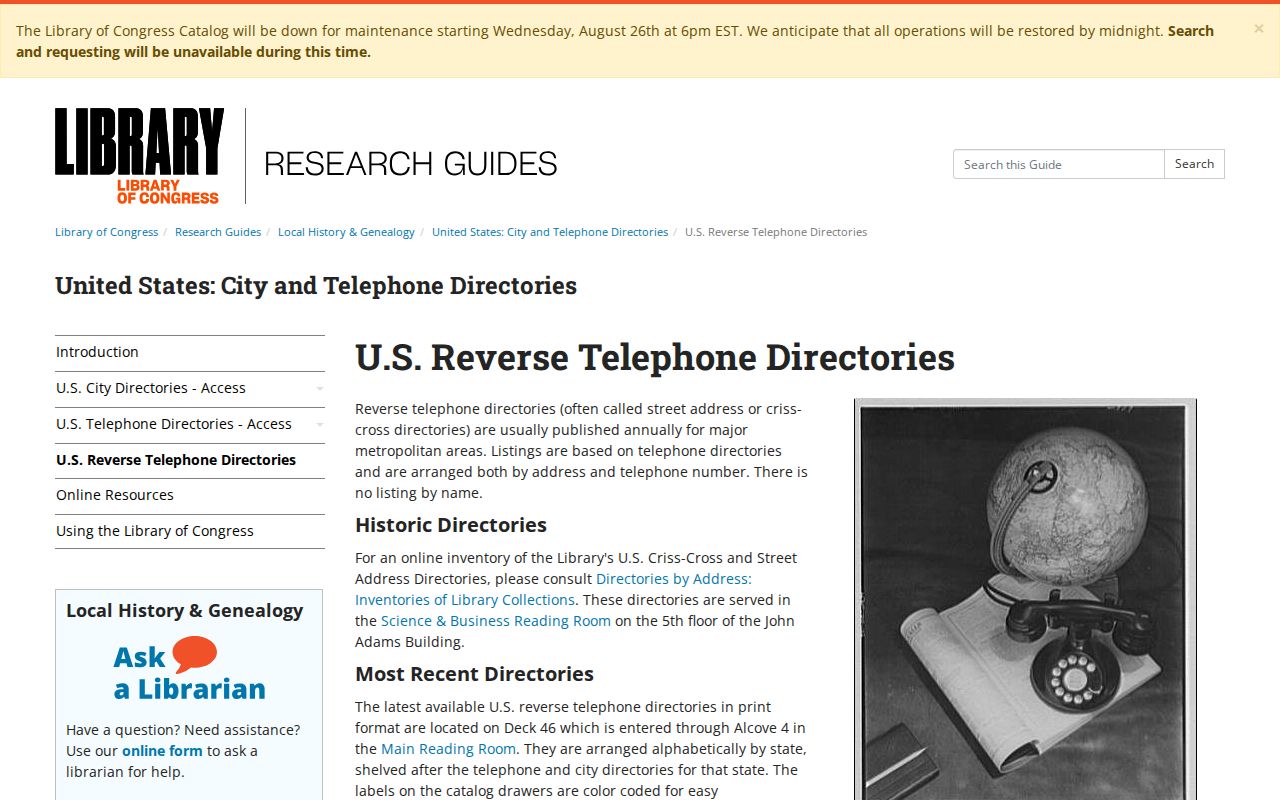
This reference supports the house-number-first method while the local Danville inventory supplies the relevant 1980 to 1996 span.
Danville Previous Residents Archives
The Archives Room at 319 N. Vermilion Street keeps the strongest combined address-history shelf: city directories, newspapers, Sanborn maps, census materials, local deeds and wills, naturalization records, municipal documents, and vertical files. Materials are non-circulating. Staff may answer a short remote query, while work beyond 30 minutes is a $10 genealogy request that includes limited copying and postage.
Two local groups add depth when library or county indexes run out. The Illiana Genealogical & Historical Society collections include cemetery books and Vermilion probate files from about 1829 through 1970.
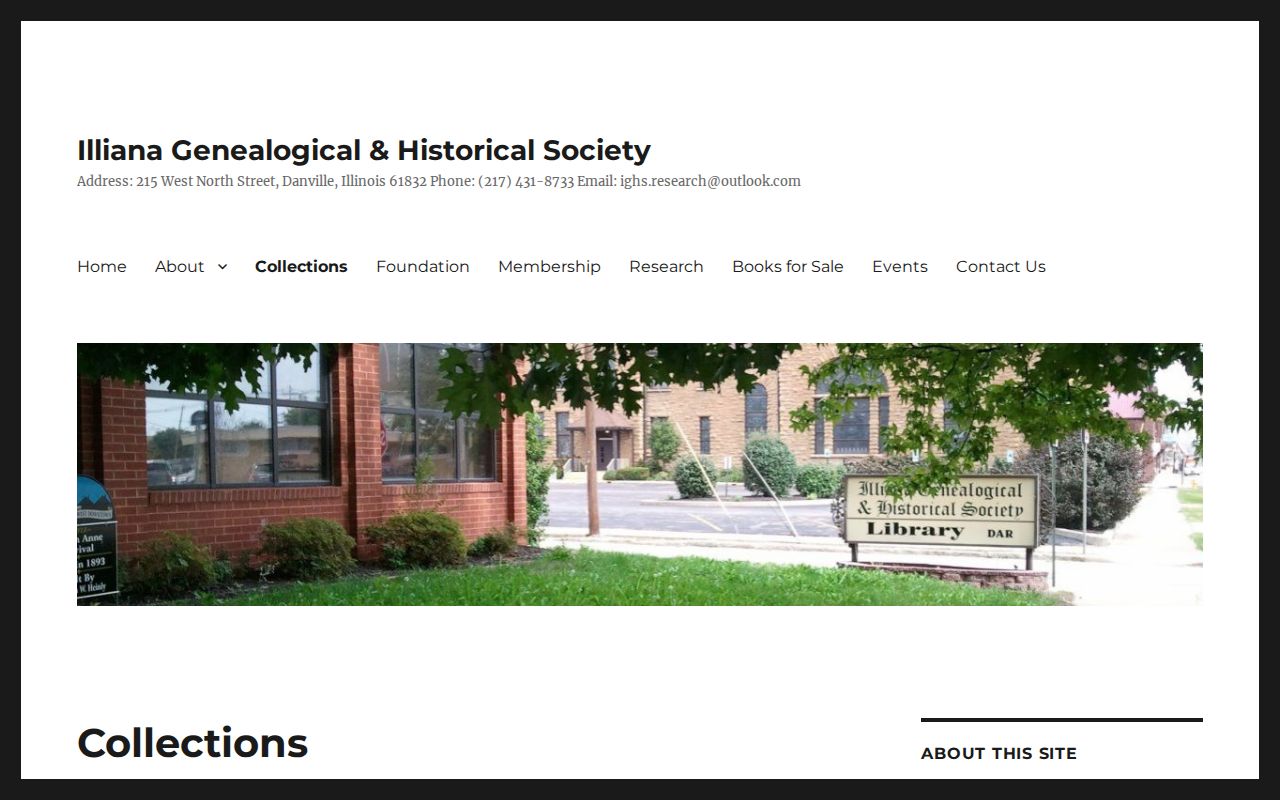
The society is volunteer-run and offers research at reasonable cost, so send a focused surname, date range, address, and record type instead of a broad request.
The Vermilion County Museum archives database supplies local place, railway, industry, photograph, and settler context.
Historical images and subject files can explain a parcel's setting, but names should still be checked against a dated directory, deed, probate file, or newspaper.
Pair Danville Households by Era
Owners are only one layer of Danville previous residents. A city directory may name an occupant, spouse, or occupation. A criss-cross volume starts with the address and may reveal a non-owner occupant or a business. Census schedules can group a household, but the library's published census descriptions conflict at the later end, so verify the exact run in the catalog before planning a visit. The directory collections themselves are covered on the Danville city directory page.
- Choose a known deed date and check the closest available directory edition before and after it.
- Save the printed address, surname, initials, occupation code, and nearby entries exactly as shown.
- Match a released census year to the same family, street, ward, or Danville and Newell township context.
- Use newspapers, the Pape Mortuary Database, cemetery books, and probate to explain arrivals, deaths, heirs, or moves.
Obituaries and funeral records are leads, not certificates. The Pape database advertises more than 275,000 records, while cemetery transcriptions identify burial places and probate files identify estate parties. Agreement across several independent sources makes the conclusion stronger. A conflict should remain in the notes with each source date and role.
Lawful use. Research past residents for house history, family history, or an estate trail. Never use a living person's record to track, threaten, or harass them.
Close Danville Resident Trails
A person disappearing from a directory does not establish a death or a move. Search the next available volume, newspapers, funeral records, cemetery sources, and probate before closing the timeline. Danville Public Library advertises the Pape Mortuary Database with more than 275,000 records. Its entries can point toward an obituary or funeral file, but they do not replace a County Clerk death certificate.
Illiana's Vermilion probate files, dating from about 1829 through 1970, are especially useful for an heir or estate trail. An executor, beneficiary, creditor, or property description may connect a deceased owner to the next recorded deed. The official county cemetery list, local cemetery books, Sunset Memorial Park search, and the Danville National Cemetery kiosk use different systems, so record which source supplied each burial fact.
Finish with a compact timeline: date, printed address, name, role, record type, and source. Mark each conclusion as owner, occupant, deed party, estate party, or burial record. This keeps past residents distinct from people who appeared only because they handled property, mail, or an estate.